
News
Table of Contents
Understanding Anger Problems
Anger is a normal human emotion, but when it becomes difficult to control and starts to negatively affect a person’s daily life, it can be considered a problem. Anger problems can manifest in various ways, such as physical aggression, verbal abuse, or passive-aggressive behavior.
According to the National Institute of Mental Health (NIMH), anger problems can be caused by a variety of factors, including genetic predisposition, brain chemistry, and past traumatic experiences. Additionally, certain conditions such as depression and anxiety can exacerbate anger problems.

Common Anger Disorders
One of the most common anger problems is intermittent explosive disorder (IED), characterized by recurrent episodes of impulsive and aggressive behavior. This disorder is estimated to affect approximately 7% of the population, according to the American Psychiatric Association (APA).
Another anger problem is called narcissistic personality disorder, which is characterized by a grandiose sense of self-importance and a lack of empathy for others, leading to an angry and resentful attitude towards others.
Managing and Controlling Anger
There are several ways to manage and control anger problems, including therapy, medication, and lifestyle changes. Cognitive-behavioral therapy (CBT) is a type of talk therapy that can help a person identify and change negative thought patterns and behaviors that contribute to their anger. Medications, such as antidepressants and anti-anxiety drugs, may also be prescribed to help manage symptoms.
Lifestyle changes, such as regular exercise, getting enough sleep, and practicing relaxation techniques such as deep breathing and meditation, can also help to reduce anger and stress levels.
Seeking Help
It is essential to seek help if your anger is affecting your daily life, relationships, and overall well-being. A 22Zero Peer Coach can help you to understand the underlying causes of your anger help to neurologically disconnect the root emotions changing behaviors through life. If you are a civilian you may seek assistance through the Anxiety Guys at www.anxietyguys.com.
Conclusion
In conclusion, anger is a normal emotion, but when it becomes difficult to control and starts to negatively affect a person’s daily life, it can be considered a problem. Anger problems can manifest in various ways, such as physical aggression, verbal abuse, or passive-aggressive behavior. With therapy, medication, and lifestyle changes, it is possible to neutralize anger problems, and improve the overall quality of life.
Recommended Reading: Achieving Subconscious De-escalation With 22zero’s Tactical Resiliency Protocol
References:
- National Institute of Mental Health (NIMH). (2020). Anger. Retrieved from https://www.nimh.nih.gov/health/topics/anger/index.shtml
- American Psychiatric Association (APA). (2013). Diagnostic and Statistical Manual of Mental Disorders, 5th Edition: DSM-5. Retrieved from https://www.psychiatry.org/psychiatrists/practice/dsm
- Mayo Clinic. (2020). Anger management: Tips and techniques for controlling your anger. Retrieved from https://www.mayoclinic.org/healthy-lifestyle/adult-health/in-depth/anger-management/art-20045434
Share
Recent Posts
August 7, 2026
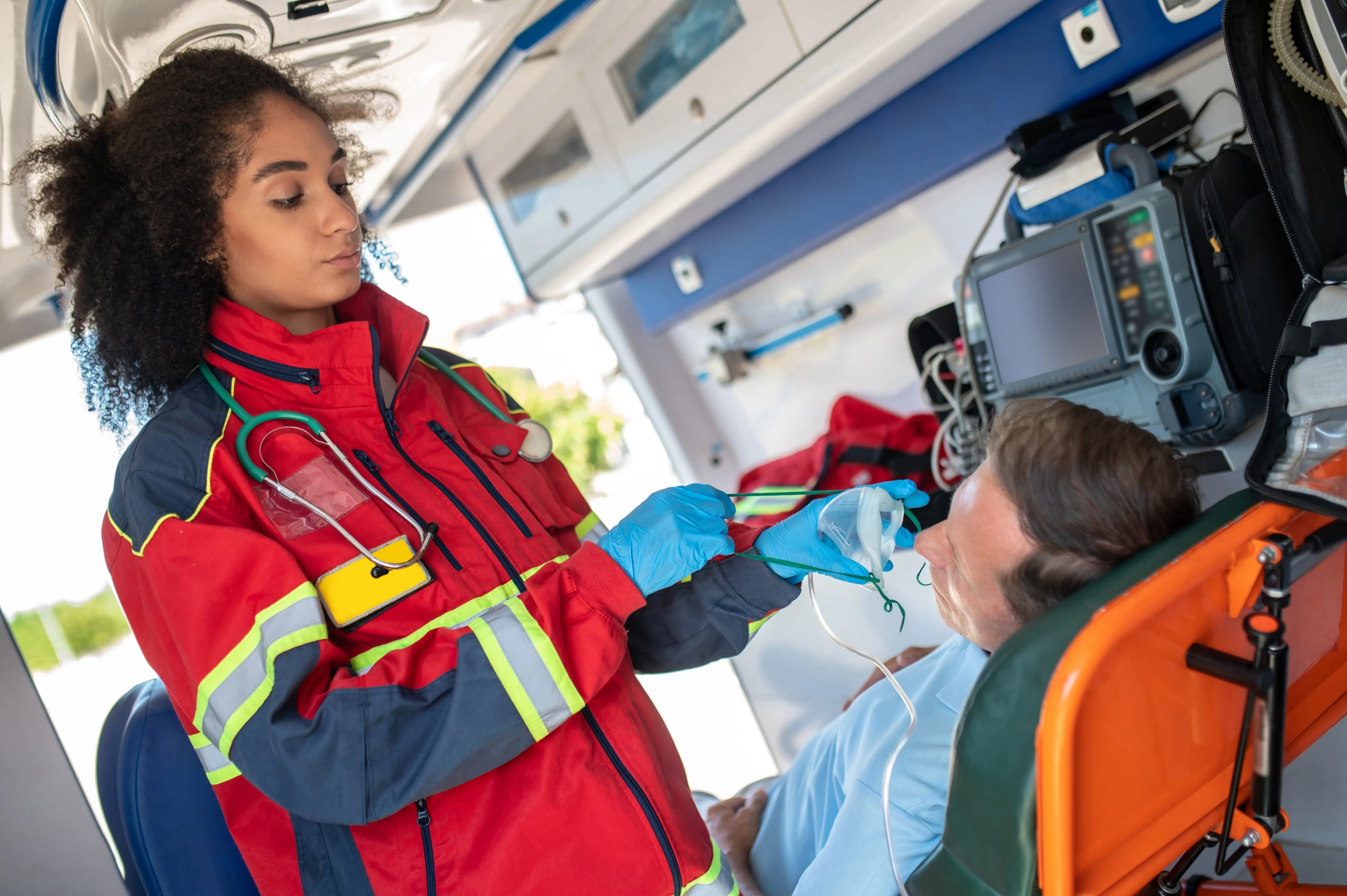
Beyond the Call: The Complexities of Trauma Exposure, Occupational Stress, and Suicide Risk Among Emergency Medical Technicians and Paramedics in the United States.
by Dan Jarvis Abstract Emergency Medical Technicians (EMTs) and paramedics serve as critical components of the United States emergency response system, providing lifesaving...

July 31, 2026
Beyond Survival: Active-Duty Military Suicide, Operational Trauma, and the Potential Role of Trauma Resiliency Protocol–Performance Recovery (TRP-PR) Across the Spectrum of Military Operations
Abstract Military Suicide among active-duty members of the United States Department of War remains one of the most significant threats to military readiness,...

July 24, 2026
Coping Strategies for Sleep Deprivation in First Responders
Sleep Deprivation in First Responders: Impacts on Operational Performance, Personal Safety, Occupational Health, and Maladaptive Coping Strategies Abstract Sleep deprivation is one of...